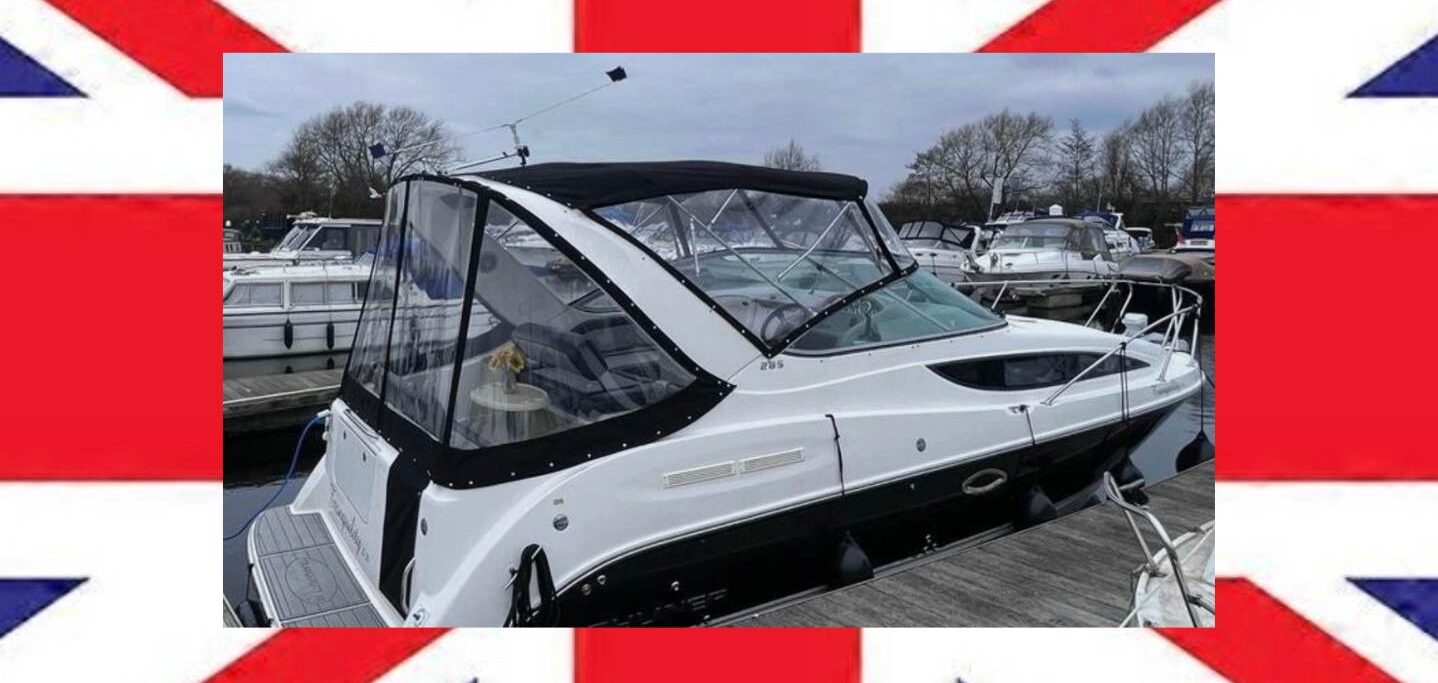
Navigating Boat Owner Insurance Claims in Britain
Navigating Boat Owner Insurance Claims in Britain
Owning a boat in Britain can be a dream come true. The serene waters of the British Isles offer countless opportunities for adventure and relaxation. However, as with any significant investment, it’s crucial to protect your asset with the right insurance. Understanding how to navigate boat owner insurance claims in Britain is essential for peace of mind and financial security. In this guide, we’ll walk you through the process of filing claims, ensuring you’re well-prepared for any eventuality.
Understanding Your Boat Insurance Policy
Before you find yourself in a situation requiring a claim, it’s important to fully understand your boat insurance policy. Policies can vary significantly, covering everything from theft and damage to liability and personal injury. Familiarize yourself with the terms and conditions, coverage limits, and exclusions. This knowledge will prove invaluable when you need to file a claim, helping you set realistic expectations and minimize stress.

When and How to File a Claim
Filing a claim can feel overwhelming, especially if you’re dealing with the aftermath of an accident or damage. However, acting promptly and methodically is key to a successful claim process.
Assess the Damage
Before contacting your insurer, assess the situation. Ensure everyone’s safety and take steps to prevent further damage. Document the scene with photographs and detailed notes, capturing the extent of the damage or loss. This evidence will be crucial when presenting your case to the insurance company.
Contact Your Insurer
Once you’ve gathered the necessary information, contact your insurance provider as soon as possible. Most insurers have a specific timeframe for reporting claims, often within 24 to 48 hours. Be prepared to provide details such as the date, time, location, and circumstances surrounding the incident.
Submit Required Documentation
Your insurer will likely request additional documentation to support your claim. This may include repair estimates, police reports, and medical records if there were injuries involved. Ensure all paperwork is accurate and complete to avoid delays in processing your claim.
Working with Insurance Adjusters
After filing a claim, an insurance adjuster will typically assess the damage and determine the payout. Here’s how to effectively work with them:
Be Transparent and Cooperative
Honesty is the best policy when dealing with adjusters. Provide them with all requested information promptly and truthfully. Being cooperative can significantly speed up the claims process.
Negotiate if Necessary
Adjusters aim to settle claims fairly, but if you feel the proposed payout doesn’t cover your losses, don’t hesitate to negotiate. Present your documentation and any additional evidence that supports your case. Sometimes, a little persistence can lead to a more favorable settlement.
Common Challenges and How to Overcome Them
The claims process is not without its hurdles. Here are some common challenges and tips to overcome them:
Disputes Over Coverage
Sometimes, disagreements arise over whether a specific incident is covered. Review your policy carefully and, if necessary, consult with a legal advisor or a professional claims consultant who can offer guidance and support.
Delays in Processing
Insurance claims can sometimes take longer than expected, leaving you frustrated. Regularly follow up with your insurer and maintain a record of all communications. Politely but persistently request updates and ensure all required documents are submitted promptly to avoid unnecessary holdups.
Preventing Future Claims
While insurance is there to protect you, it’s always best to prevent incidents from occurring in the first place. Here are some preventative measures:
Regular Maintenance
Keep your boat in excellent condition by performing regular maintenance checks. Address any mechanical issues promptly and ensure your vessel complies with safety regulations. A well-maintained boat is less likely to encounter problems that require a claim.
Safe Boating Practices
Practice safe boating by adhering to maritime laws and regulations. Take weather conditions into account and avoid risky situations. Educating yourself and your crew on emergency procedures can also prevent accidents.
Conclusion
Navigating boat owner insurance claims in Britain doesn’t have to be a daunting task. By understanding your policy, acting promptly, and working cooperatively with your insurer, you can manage the process with confidence. Remember, being prepared and proactive can make all the difference when it comes to protecting your cherished vessel and enjoying your time on the water to the fullest.
Get The Spares You Need
Add CTA sections description.