Solving Common Boat Electrical Problems in the UK
Solving Common Boat Electrical Problems in the UK
There’s nothing quite like the thrill of setting sail on the open waters, especially around the scenic coastlines of the UK. Yet, as any seasoned boat owner will tell you, the joy of cruising can quickly be overshadowed by electrical issues. In this blog post, we’ll delve into some of the most common boat electrical problems faced by UK boaters and provide practical solutions to ensure your maritime adventures remain smooth and trouble-free.
Understanding the Basics of Boat Electrical Systems
Before diving into specific issues, it’s crucial to understand the basics of your boat’s electrical system. Generally, boats have two electrical systems: the DC (direct current) system and the AC (alternating current) system. The DC system powers essential equipment like lighting and navigation instruments, while the AC system is used for appliances like microwaves and air conditioning.

Maintaining these systems requires regular checks and an understanding of how they function. Familiarizing yourself with the components, such as batteries, inverters, and alternators, is key to troubleshooting any problems that arise.
Identifying Battery Problems
Battery issues are among the most common electrical problems faced by boaters. A boat’s battery is its lifeline, providing power for starting the engine and running electronics. Dead or weak batteries can leave you stranded, so it’s vital to keep them in check.
Regularly inspect the battery terminals for corrosion, which can impede connectivity. Clean the terminals with a mixture of baking soda and water to remove any buildup. Additionally, ensure the battery is securely mounted to prevent movement and potential damage.
If you find that your battery isn’t holding a charge, it might be time to replace it. Investing in a high-quality marine battery can save you headaches down the line.
Dealing with Faulty Wiring
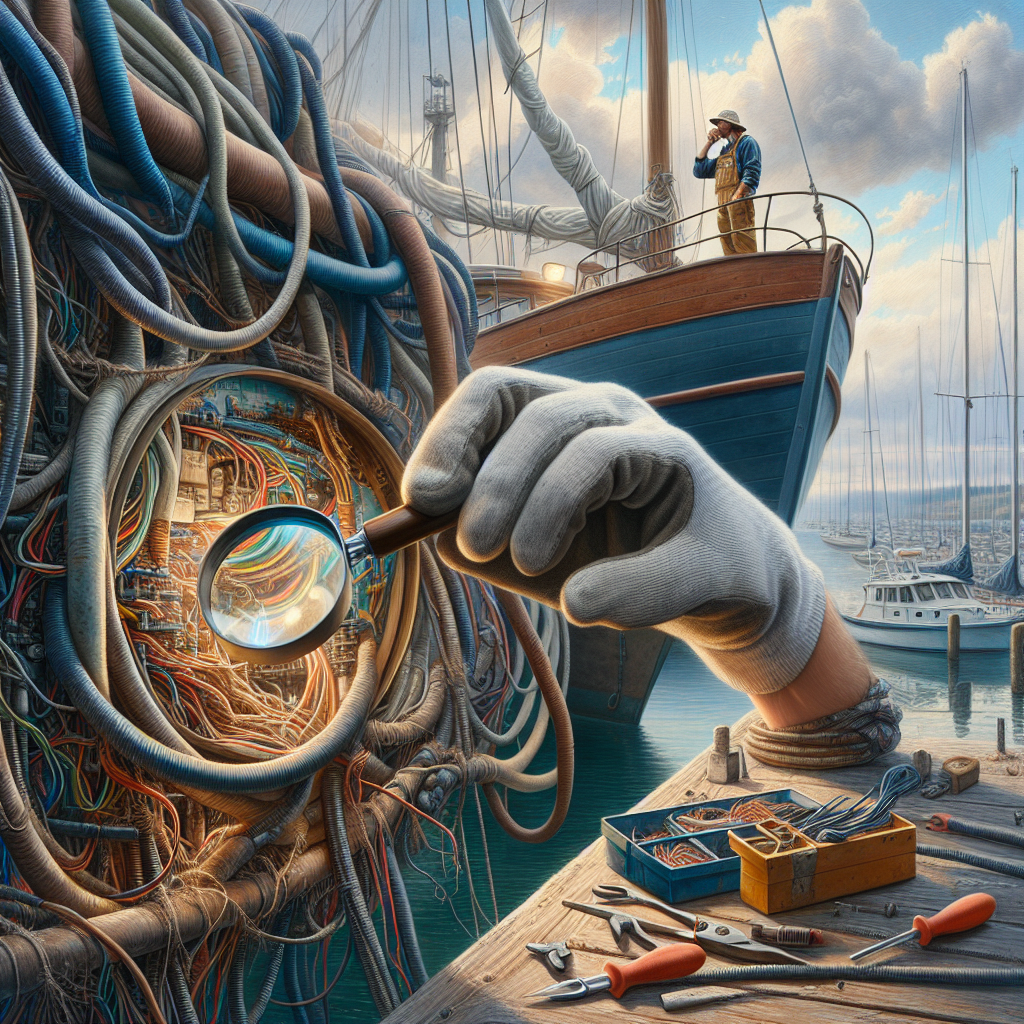
Wiring issues can be tricky and often result in intermittent power loss or complete system failures. Over time, wires can become corroded, damaged, or disconnected, particularly in the damp maritime environment of the UK.
Regularly inspect your boat’s wiring for signs of wear and tear. Look for cracked insulation, exposed wires, or signs of overheating, such as discolored or brittle wires. If you find any issues, rewiring or replacing the damaged sections is necessary. For complex wiring problems, consulting a professional marine electrician is advisable to ensure safety and reliability.
Troubleshooting Blown Fuses and Tripped Breakers
Blown fuses and tripped breakers are common culprits behind electrical malfunctions on boats. These devices are designed to protect your electrical system from overloads and short circuits.
If you experience a loss of power, check your fuse box or breaker panel to identify any blown fuses or tripped breakers. Replace blown fuses with ones of the same rating and reset any tripped breakers. If the problem persists, it may indicate an underlying electrical issue that needs further investigation.
Addressing Inverter and Alternator Issues
Inverters and alternators play crucial roles in converting and managing power on your boat. An inverter converts DC power from the batteries to AC power for your appliances, while an alternator charges the batteries while the engine is running.
If your appliances aren’t working or your batteries aren’t charging, your inverter or alternator might be the problem. Check for error codes or warning lights on these devices, and refer to the manufacturer’s manual for troubleshooting steps. In some cases, professional servicing might be necessary to rectify the issue.
Preventive Maintenance Tips
Preventive maintenance is your best defense against unexpected electrical problems. Regular checks and servicing can extend the life of your boat’s electrical system and ensure a hassle-free boating experience.
Schedule routine inspections of your entire electrical system, including batteries, wiring, and connections. Keep your boat dry and well-ventilated to prevent moisture-related issues. Investing in a quality multimeter can help you track your system’s health and diagnose problems early.
Conclusion
While electrical problems can be daunting, understanding and addressing them doesn’t have to be. By familiarizing yourself with your boat’s electrical system and performing regular maintenance, you can enjoy the peaceful waters of the UK without worry. Remember, when in doubt, don’t hesitate to consult a professional to keep your boat in top-notch condition. Safe sailing!
Get The Spares You Need
Add CTA sections description.