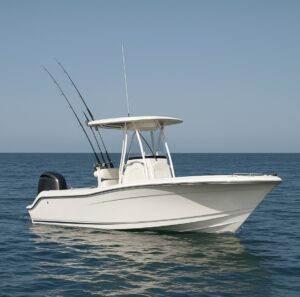
Keeping Your Outboard Motor in Peak Condition
Keeping Your Outboard Motor in Peak Condition
For boating enthusiasts, an outboard motor is more than just a piece of equipment—it’s the heart of your maritime adventures. Ensuring it operates smoothly is crucial for a seamless experience on the water. Whether you’re a seasoned sailor or a weekend warrior, maintaining your outboard motor in peak condition is essential. This guide will walk you through the best practices for keeping your motor running efficiently, ensuring longevity and reliability.
Understanding the Basics of Your Outboard Motor
Before diving into maintenance tips, it’s important to familiarize yourself with the basics of your outboard motor. Most motors are either two-stroke or four-stroke, each with its own set of maintenance requirements. Make sure you know which type you’re working with, as this will influence the kind of care it needs.
Additionally, consulting your motor’s manual is always a smart move. It contains specific information provided by the manufacturer, which is invaluable for proper maintenance. Keep this document handy, as it can save you a lot of guesswork and potential mishaps.
Regular Inspection: Your First Line of Defense
Regular inspections are the cornerstone of motor maintenance. By routinely checking your motor, you can catch potential issues before they escalate into costly repairs. Here’s what to look for:
Visual Checks
Start with a thorough visual inspection. Look for signs of wear and tear, such as cracks, corrosion, or leaks. Pay special attention to the propeller and lower unit, as these areas are prone to damage. Don’t forget to inspect the fuel lines for any signs of cracking or wear.

Fluid Levels
Check all fluid levels regularly, including engine oil, gear oil, and coolant (if applicable). Low fluid levels can lead to overheating and significant engine damage. Make it a habit to top off these fluids as needed.
Routine Maintenance: The Key to Longevity
Routine maintenance is crucial for prolonging the life of your outboard motor. Here are some key tasks to incorporate into your maintenance schedule:
Changing the Oil
Just like in a car, regular oil changes are vital for your outboard motor’s health. For four-stroke engines, change the oil every 100 hours of operation or at least once a year. Make sure to use the oil type recommended by the manufacturer to ensure optimal performance.
Spark Plug Replacement
Spark plugs are small but mighty components that play a critical role in your motor’s operation. Inspect them regularly for wear and replace them every 100 hours of use. Fresh spark plugs can improve your engine’s efficiency and responsiveness.
Propeller Care
The propeller is an essential part of your outboard motor, and any damage can significantly affect your boat’s performance. Regularly remove the propeller to check for fishing line entanglement, which can damage seals and lead to leaks. Also, inspect for nicks or bends and repair or replace as necessary.
End-of-Season Tips for Winterization
As the boating season comes to a close, taking steps to winterize your outboard motor is crucial for preventing damage during the colder months. Here’s how to do it right:
Flush the Engine
After your last outing of the season, flush the engine with fresh water to remove salt and other residues. This step is especially important if you operate your boat in saltwater, as salt can corrode engine components over time.
Stabilize the Fuel
Add a fuel stabilizer to the fuel tank to prevent the gas from breaking down and causing gumming issues. Run the engine for a few minutes to ensure the stabilizer circulates throughout the fuel system.
Store Properly
Finally, store your motor in a dry, cool place away from direct sunlight. If possible, store it vertically to prevent water from pooling in the exhaust system. Cover your motor to protect it from dust and debris during the off-season.
Troubleshooting Common Issues
Even with diligent maintenance, you might encounter a few hiccups. Here are some common issues and their solutions:
Starting Problems
If your motor struggles to start, check the battery connections and charge. Also, inspect the spark plugs and fuel system for any blockages.
Overheating
Overheating is often caused by a blocked water intake. Ensure the intake is clear of debris and check the impeller, which may need replacement if it’s worn out.
Conclusion: Enjoy Smooth Sailing
Keeping your outboard motor in peak condition doesn’t have to be daunting. With regular inspections, routine maintenance, and proper off-season care, you can ensure your motor remains reliable and efficient for years to come. By investing time in these practices, you’ll not only extend the life of your motor but also enjoy countless worry-free adventures on the water. Remember, a well-maintained motor is the key to smooth sailing and endless enjoyment of your boating lifestyle.
Get The Spares You Need
Add CTA sections description.