Diagnosing and Repairing Marine Plumbing Issues
Diagnosing and Repairing Marine Plumbing Issues
Maintaining a boat can be as challenging as it is rewarding. While the open water calls out to many, the intricacies of marine plumbing can sometimes become a formidable hurdle. Understanding and effectively addressing marine plumbing issues is essential for any boat owner. In this guide, we’ll delve into common marine plumbing problems and explore practical solutions to keep your vessel shipshape.
Understanding Marine Plumbing Systems
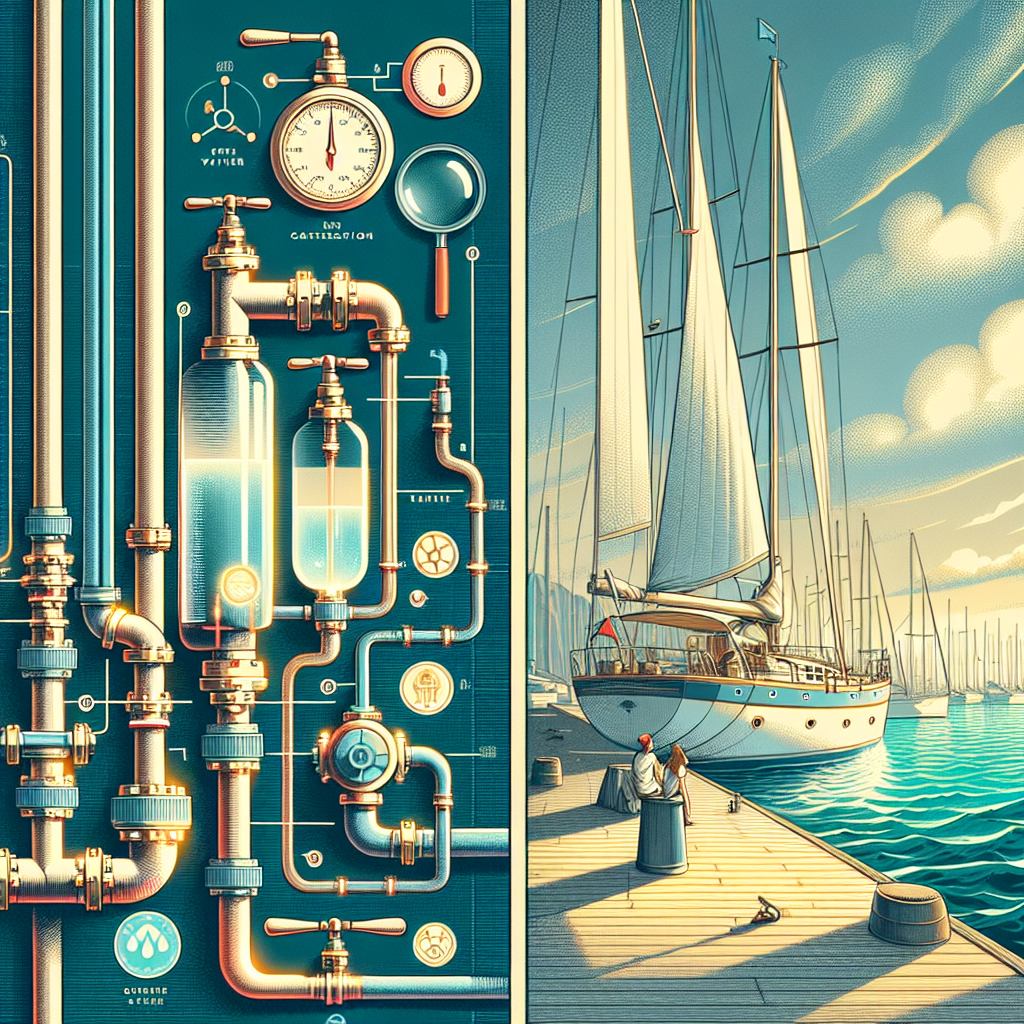
Before diving into repairs, it’s crucial to understand the basic components of a marine plumbing system. Typically, these systems include freshwater tanks, hoses, pumps, and fixtures. Additionally, many boats have a separate sewage system, often referred to as a “head.” Familiarizing yourself with these elements will help in diagnosing issues accurately.
Common Marine Plumbing Problems
Marine plumbing issues can range from minor leaks to complete pump failures. Here are some of the most common problems boat owners encounter:
1. Leaky Connections
Leaky connections are a frequent issue due to constant exposure to movement and vibration, which can loosen fittings over time. Regularly inspecting and tightening connections can prevent water from seeping into unwanted areas.
2. Clogged Hoses
Clogs often occur in the hoses due to debris or mineral buildup. This issue can lead to reduced water flow or even complete blockages. Regular flushing of the system with clean water can help prevent this problem.
3. Pump Failures
Pumps are the heart of any marine plumbing system. They can fail due to electrical issues, worn-out parts, or blockages. Checking the pump regularly for unusual noises or operational inefficiencies can help catch problems early.
4. Sewage System Malfunctions
The sewage system, or head, can be a source of significant issues if not properly maintained. Clogs, odors, or leaks can occur if the system is not regularly cleaned and serviced. Using appropriate cleaning agents and following maintenance schedules can mitigate these problems.
Diagnosing Marine Plumbing Issues
Diagnosing marine plumbing issues requires a methodical approach. Here are steps to help identify and assess problems:
1. Visual Inspection
Start with a thorough visual inspection. Look for signs of leaks, corrosion, or wear around fittings, hoses, and pumps. Often, visible signs can lead directly to the source of the problem.
2. Listen for Unusual Noises
Listen for any unusual noises when the plumbing system is in operation. Sounds like knocking, sputtering, or grinding can indicate problems with pumps or blockages in the system.
3. Test the System
Run the system under normal operating conditions to observe any discrepancies in performance. Take note of reduced water pressure, slow drainage, or intermittent operation, which can signal underlying issues.
4. Check for Odors
Unpleasant odors can be a strong indicator of sewage system malfunctions or leaks. If odors are present, inspect the sewage lines and connections for any signs of damage or blockage.
Repairing Marine Plumbing Issues
Once you’ve diagnosed the problem, it’s time to move on to repairs. Here are some practical solutions for common issues:
1. Tightening and Replacing Fittings
For leaky connections, tightening fittings can often resolve the issue. If the problem persists, replacing worn-out gaskets or fittings may be necessary.
2. Clearing Clogs
To clear clogs, remove hoses and clean them thoroughly with fresh water. For stubborn blockages, using a flexible cleaning tool or commercially available de-clogging solutions can be effective.
3. Servicing or Replacing Pumps
If pump issues are identified, inspect electrical connections and ensure there are no blockages in the line. If the pump is damaged or worn out, replacing it with a new, compatible model is often the best course of action.
4. Maintaining the Sewage System
Regularly clean and service the sewage system to prevent malfunctions. Use marine-safe chemicals and follow a routine maintenance schedule to keep the system odor-free and operational.
Conclusion
Maintaining a marine plumbing system might seem daunting at first, but with a clear understanding of common issues and their solutions, it becomes a manageable task. Regular inspections and maintenance are key to preventing problems and ensuring your time on the water is as enjoyable as possible. By staying proactive, you can keep your vessel’s plumbing systems functioning smoothly, leaving you more time to focus on the joys of sailing and exploration.
Get The Spares You Need
Add CTA sections description.