Using a Marine VHF Radio: Essential Tips
Using a Marine VHF Radio: Essential Tips
Setting sail on the open waters is an exhilarating experience, but it comes with its own set of challenges and responsibilities. Among the most essential tools for ensuring safety and effective communication at sea is the Marine VHF Radio. Whether you’re a seasoned sailor or a novice boater, understanding how to use this device properly is crucial. In this guide, we’ll dive into the essential tips for using a Marine VHF Radio, ensuring you’re prepared for any situation.
Understanding the Basics of Marine VHF Radio
Before we delve into the tips, it’s important to grasp what a Marine VHF Radio is and why it’s indispensable. VHF stands for Very High Frequency, referring to the range of radio frequencies between 30 MHz and 300 MHz. Marine VHF Radios operate in the 156 MHz to 174 MHz range, providing a reliable means of communication over water.

These radios are primarily used for ship-to-ship and ship-to-shore communication. They’re essential for weather updates, navigation assistance, and emergency situations. Familiarizing yourself with the radio’s basic functions and controls is the first step towards mastering its use.
Essential Tips for Using a Marine VHF Radio
1. Familiarize Yourself with the Radio’s Functions
Each Marine VHF Radio model may have slightly different controls and features. Spend some time with your radio’s manual, understanding its buttons, knobs, and display. Know how to switch between channels, adjust volume, and activate the squelch function, which reduces background noise.
2. Use the Correct Channels
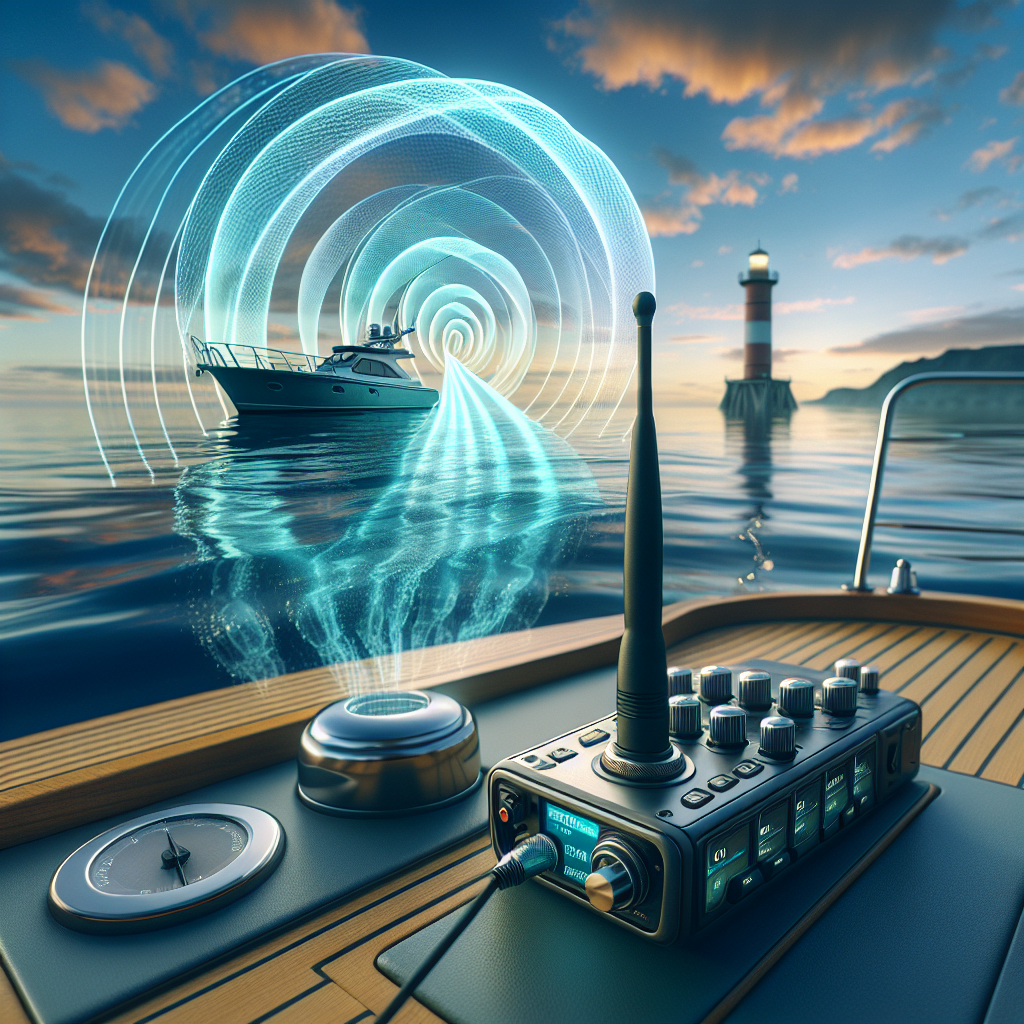
Marine VHF Radios operate on specific channels designated for different types of communication. Channel 16 is universally recognized as the distress and calling channel. It’s crucial to monitor this channel when at sea, as it’s used for emergencies. Once contact is made, switch to a working channel for further communication.
Channel 9 is often used for non-emergency hailing, while other channels are allocated for ship operations and weather broadcasts. Ensure you’re using the right channel for your communication needs.
3. Practice Proper Radio Etiquette
Good communication etiquette is vital when using a Marine VHF Radio. Always identify yourself and your vessel at the beginning of a transmission. Use clear and concise language, avoiding unnecessary chatter. When you finish speaking, say “over” to indicate it’s the other party’s turn to talk. In emergencies, use the term “mayday” to signal distress.
4. Perform Regular Radio Checks
To ensure your radio is functioning correctly, perform regular radio checks. Contact a nearby vessel or marina to test your transmission and reception. This practice not only verifies your equipment’s functionality but also helps you become more comfortable with its use.
5. Be Aware of Weather Updates
One of the key benefits of a Marine VHF Radio is access to real-time weather updates. NOAA Weather Radio broadcasts continuous weather information, including forecasts and warnings. Keep abreast of weather conditions to make informed decisions about your journey.
6. Understand the Range Limitations
Marine VHF Radios rely on line-of-sight transmission, meaning the signal travels in a straight line. The range is typically limited to around 20 to 25 nautical miles, depending on antenna height and atmospheric conditions. Be aware of these limitations and plan your communication accordingly.
Advanced Tips for Enhancing Radio Use
1. Invest in a Quality Antenna
The quality of your antenna significantly impacts the performance of your Marine VHF Radio. Opt for a high-quality antenna with the right gain for your boating needs. A well-maintained antenna ensures clearer communication and extends your radio’s range.
2. Keep Batteries Charged
For handheld VHF radios, ensuring your batteries are fully charged is crucial. Carry spare batteries if possible, and check the charge level before embarking on any trip. For fixed radios, verify that they are properly connected to your vessel’s power system.
3. Learn to Use Digital Selective Calling (DSC)
Many modern Marine VHF Radios come equipped with Digital Selective Calling (DSC). This feature allows for direct calling to other vessels and emergency services, transmitting your vessel’s position automatically during distress calls. Familiarize yourself with DSC functions to enhance safety and communication.
Conclusion: Stay Safe and Connected at Sea
Using a Marine VHF Radio effectively is a skill every boater should possess. From understanding its basic functions to practicing proper etiquette and utilizing advanced features, these essential tips will ensure you’re prepared for any situation while on the water. Remember, a well-used VHF Radio not only keeps you connected but also plays a vital role in ensuring your safety and the safety of others. So, before you set sail, ensure your radio skills are as shipshape as your vessel. Happy boating!
Get The Spares You Need
Add CTA sections description.