Troubleshooting Boat Electrics: Common Issues and Solutions
Troubleshooting Boat Electrics: Common Issues and Solutions
Setting sail on a boat is one of life’s greatest pleasures, offering freedom and adventure on the open water. However, when electrical issues arise, they can quickly turn an enjoyable day into a frustrating experience. Understanding how to troubleshoot common boat electrical problems is essential for any boat owner. In this guide, we’ll explore some typical issues and provide practical solutions to help you keep your maritime journeys smooth and stress-free.
Understanding Your Boat’s Electrical System
Before diving into troubleshooting, it’s crucial to have a basic understanding of your boat’s electrical system. Most boats have two primary systems: the 12-volt DC system, which powers navigation lights, radios, and other essential equipment, and the 120-volt AC system, which is typically used when connected to shore power. Familiarity with these systems can significantly aid in diagnosing and resolving issues.
Common Electrical Issues on Boats
Dead Battery
One of the most frequent problems boaters encounter is a dead battery. This can occur for a variety of reasons, including leaving electronics on overnight or a malfunctioning charging system. To diagnose a dead battery, check if your devices and lights are functioning. If not, use a multimeter to measure the battery voltage. A reading below 12 volts often indicates a dead or discharged battery.
Solution: To resolve this, charge the battery using a reliable marine battery charger. Ensure that all electrical devices are turned off when not in use to prevent future battery drain. Regularly inspect your battery connections for corrosion and clean them as needed. Additionally, consider installing a battery monitor to keep track of your battery’s health.
Faulty Wiring
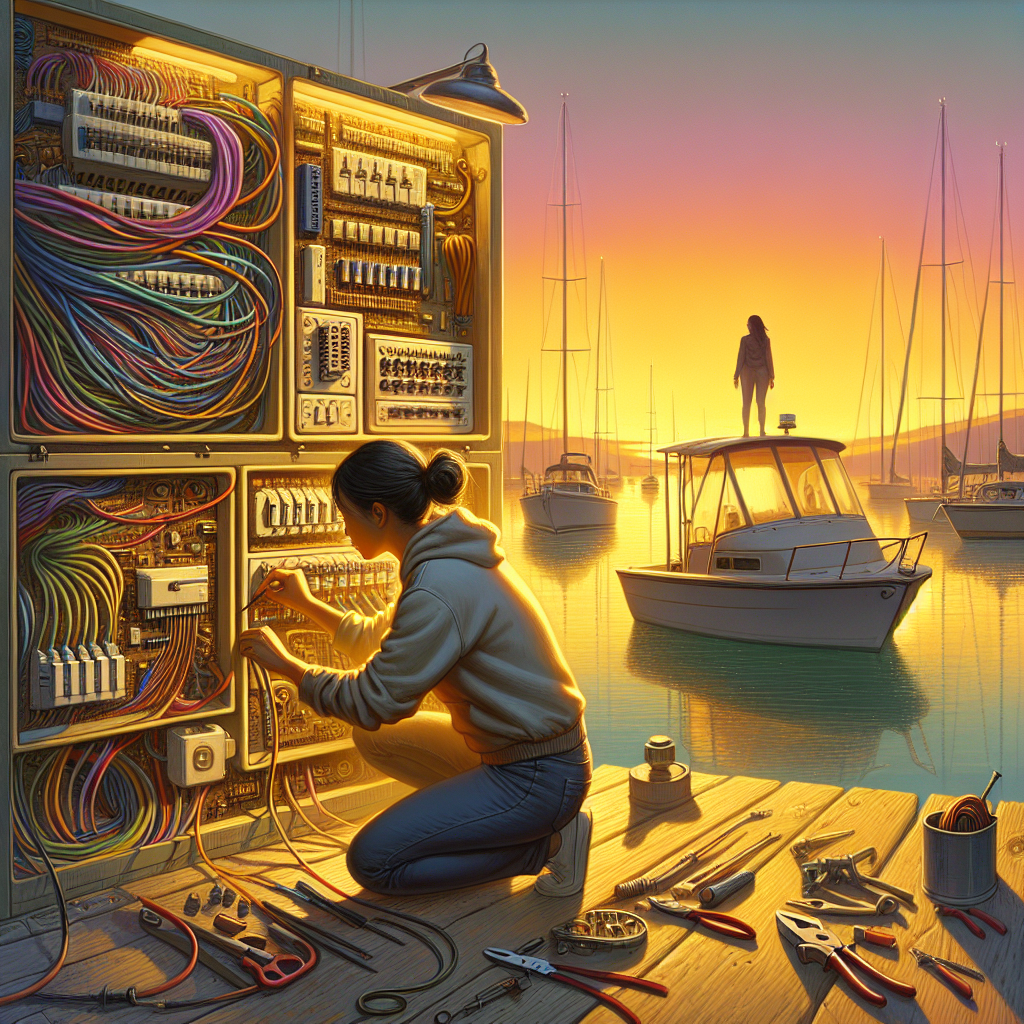
Wiring issues are another common challenge. Corrosion, wear, and incorrect installations can lead to electrical failures. Symptoms of faulty wiring include flickering lights, intermittent operation of equipment, or a complete loss of power in certain areas.
Solution: Begin by visually inspecting the wiring for signs of damage or corrosion, particularly at connection points. Use a multimeter to test continuity and ensure all connections are secure. Replace any damaged wires and consider using marine-grade wiring for durability. Organize and label wires to simplify future troubleshooting.
Tripped Breakers or Blown Fuses
Tripped breakers and blown fuses are common on boats, often caused by short circuits or overloaded circuits. If a device suddenly stops working, this might be the culprit.
Solution: Locate the breaker panel or fuse box and identify any tripped breakers or blown fuses. Reset the breaker or replace the fuse with one of the same rating. If the issue persists, it may indicate a deeper problem, such as a short circuit, requiring further investigation.
Corrosion
Boats are particularly susceptible to corrosion due to their constant exposure to water and moisture. Corroded connections can lead to poor electrical performance or failure.
Solution: Regularly inspect all electrical connections for corrosion. Clean corroded terminals using a wire brush and apply a corrosion inhibitor to protect against future damage. Consider using tinned copper wire and marine-grade connectors to enhance longevity and resistance to corrosion.
Preventative Maintenance Tips
Prevention is better than cure, especially when it comes to boat electrics. Here are some tips to keep your electrical system in top shape:
Regular Inspections: Schedule regular inspections of your electrical system, checking for signs of wear, corrosion, and loose connections.
Use Quality Components: Invest in marine-grade components designed to withstand the harsh marine environment.
Protect Connections: Use dielectric grease on connections to prevent moisture ingress and corrosion.
Monitor Usage: Keep an eye on your power usage to prevent overloading and ensure your battery is adequately charged.
Conclusion
Troubleshooting boat electrics can seem daunting, but with a little knowledge and patience, most issues can be resolved swiftly. By understanding your boat’s electrical system and implementing regular maintenance, you can minimize disruptions and enjoy more time on the water. Remember, if you’re ever in doubt, consulting with a marine electrician is always a wise decision. Safe sailing!
Get The Spares You Need
Add CTA sections description.