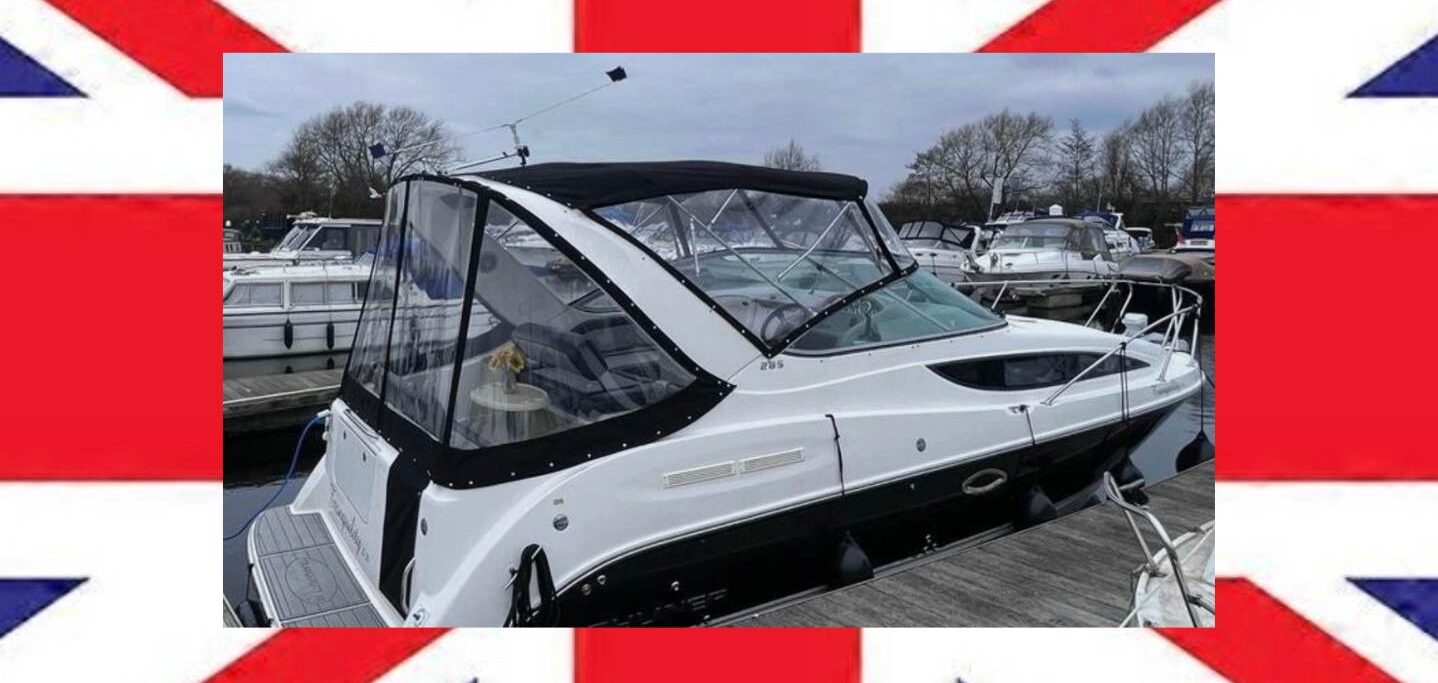
Understanding Sailing Weather Forecasts in the UK
Understanding Sailing Weather Forecasts in the UK
Sailing in the UK can be an exhilarating experience, with its stunning coastlines and rich maritime history. However, the unpredictable nature of the British weather can pose challenges for even the most seasoned sailors. Understanding sailing weather forecasts is crucial for ensuring safety and maximizing enjoyment on the water. In this guide, we’ll delve into the essentials of interpreting weather forecasts, focusing on what you need to know for a safe and successful sailing adventure in the UK.
The Importance of Accurate Weather Forecasts
Weather forecasts are a sailor’s best friend, providing crucial information about what to expect on the water. Accurate forecasts help sailors prepare for changes in wind speed, direction, temperature, and other weather phenomena. In the UK, where weather can change rapidly, having access to reliable forecasts is essential for planning and decision-making. By understanding these forecasts, sailors can avoid hazardous conditions and make informed choices about when and where to sail.
Key Elements of Sailing Weather Forecasts
Understanding the key components of a weather forecast is essential for every sailor. Here are the main elements to consider:
1. Wind Speed and Direction
Wind is the driving force behind sailing, making it one of the most important factors to consider. Forecasts typically provide wind speed in knots and direction using compass points. It’s crucial to understand how these elements affect your sailing plans. For instance, strong winds from the wrong direction can make sailing challenging or even dangerous. Conversely, a gentle breeze in the right direction can provide perfect sailing conditions.

2. Tides and Currents
In the UK, tides and currents have a significant impact on sailing conditions. Tidal streams can enhance or hinder your progress. Therefore, understanding tidal predictions is essential for planning your route and timing your departure and arrival. Many sailing areas in the UK experience strong tidal currents, which can be dangerous if not accounted for.
3. Visibility
Poor visibility can pose a serious threat to safety on the water. Fog, rain, and mist can all reduce visibility, making navigation challenging. Weather forecasts often include visibility predictions, helping sailors assess whether conditions are safe for their planned voyage.
4. Atmospheric Pressure
Changes in atmospheric pressure can indicate upcoming weather changes. A falling barometer might suggest deteriorating conditions, while rising pressure often signals improving weather. Understanding these patterns can provide sailors with valuable insights into what to expect.
How to Access Weather Forecasts in the UK
Accessing reliable weather forecasts is easier than ever, thanks to technological advancements. Here are some popular sources for sailing weather forecasts in the UK:
1. Met Office
The Met Office is the UK’s national weather service, providing detailed marine forecasts. Their website and mobile app offer comprehensive information on wind, sea state, and weather conditions for various coastal areas.
2. BBC Weather
BBC Weather offers reliable and easily accessible forecasts. Their user-friendly interface allows sailors to quickly check weather conditions and plan their trips accordingly.
3. Navionics and Other Sailing Apps
Many sailors rely on specialized apps like Navionics, which provide real-time marine weather data. These apps often include additional features, such as route planning and tide charts, making them invaluable tools for sailors.
Tips for Interpreting Weather Forecasts
While forecasts provide a wealth of information, interpreting them correctly is crucial. Here are some tips to help you make the most of the data:
1. Check Multiple Sources
Weather forecasts can vary slightly between sources. Checking multiple forecasts can give you a more comprehensive view of expected conditions, helping you make better-informed decisions.
2. Look for Patterns
Understanding weather patterns can provide insights into longer-term trends. For example, a series of low-pressure systems might indicate a prolonged period of unsettled weather.
3. Keep an Eye on Updates
Weather conditions can change rapidly, so it’s important to stay updated. Regularly checking forecasts and updates can help you adapt your plans as needed.
Conclusion
Understanding and interpreting sailing weather forecasts is an essential skill for anyone venturing out on UK waters. By familiarizing yourself with the key elements of forecasts and knowing where to access reliable information, you can ensure a safer and more enjoyable sailing experience. Remember, the sea is both beautiful and unpredictable, so always prioritize safety and stay informed. With the right knowledge and preparation, you can make the most of your time on the water, navigating the UK’s breathtaking coastlines with confidence.
Get The Spares You Need
Add CTA sections description.