How to Use a Marine VHF Radio: A Beginner’s Guide
How to Use a Marine VHF Radio: A Beginner’s Guide
Embarking on your journey as a mariner? Whether you’re a weekend sailor or an aspiring seafarer, understanding how to use a Marine VHF radio is crucial for safety and communication on the water. This beginner’s guide will walk you through the essentials, ensuring you’re equipped with the knowledge to use your radio confidently.
What is a Marine VHF Radio?
A Marine VHF (Very High Frequency) radio is a vital piece of equipment for any vessel. It serves as a primary means of communication at sea, allowing you to stay in touch with other vessels, marinas, and emergency services. These radios operate on specific channels and frequencies designated for maritime use, ensuring clear and reliable communication.
Why is a VHF Radio Important?
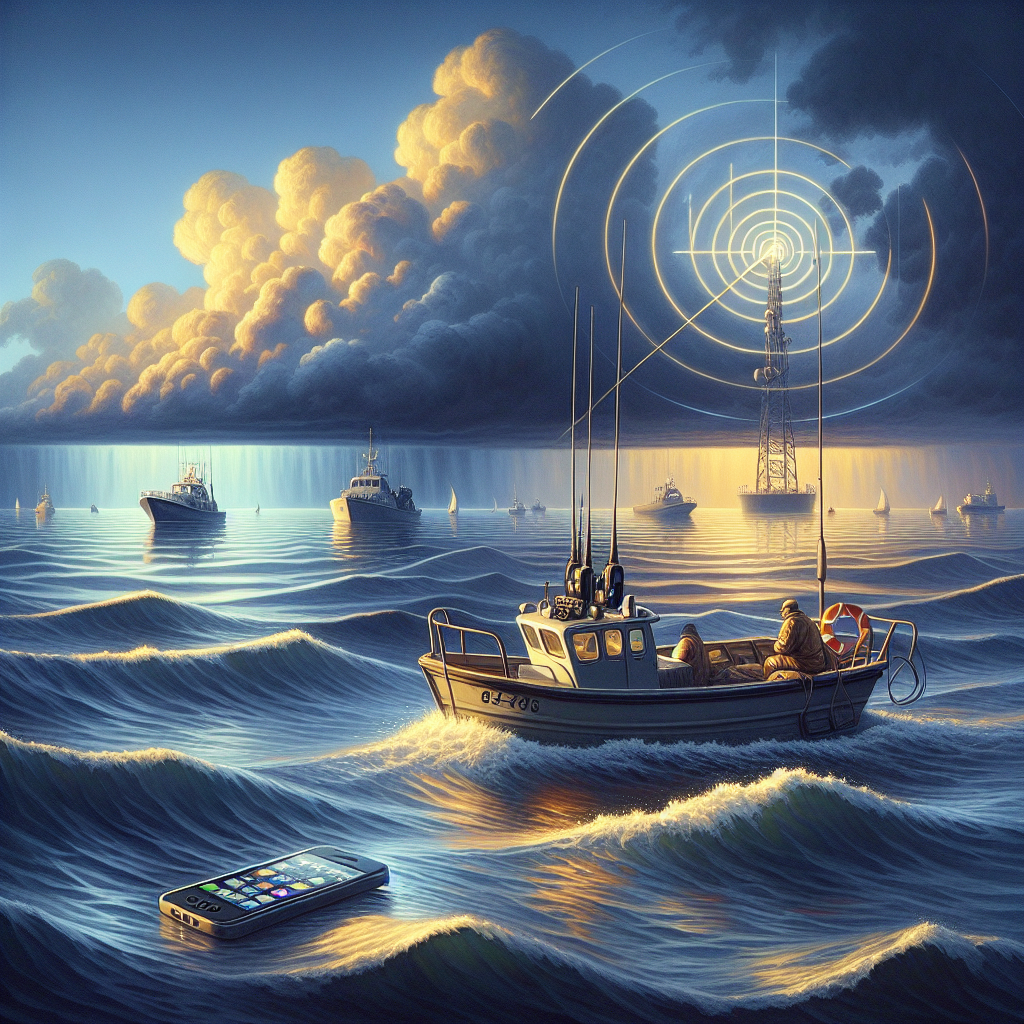
While cell phones are useful, they are not always reliable offshore. VHF radios are designed for maritime communication and are essential for safety. They provide a way to communicate in emergencies, receive weather updates, and coordinate with other vessels. Plus, they are a legal requirement for many types of boats, especially those operating beyond a certain distance from shore.

Basic Components of a VHF Radio
Before diving into usage, it’s important to familiarize yourself with the basic components of a VHF radio:
Transceiver
The main unit that houses the radio’s controls and speaker. It’s the heart of the VHF radio.
Microphone
Used to transmit your voice. It usually has a push-to-talk button, which you must hold down while speaking.
Antenna
Essential for sending and receiving signals. A well-positioned antenna can significantly improve your radio’s performance.
How to Operate a Marine VHF Radio
Powering On
Locate the power button, usually labeled as “Power” or “On/Off.” Press it to turn on the radio. Ensure the volume is set to a comfortable level to hear incoming transmissions clearly.
Selecting a Channel
VHF radios operate on specific channels, each serving different purposes. Channel 16 is the international distress channel and should be monitored at all times. Use the channel selection knob or buttons to switch between channels.
Adjusting the Squelch
The squelch controls the radio’s sensitivity to weak signals. Adjust it until the background noise just disappears, which will help filter out unwanted noise.
Making a Call
To initiate communication, press and hold the push-to-talk button on the microphone. Speak clearly and slowly, stating the vessel’s name you’re calling followed by your own. Release the button to listen for a response.
Responding to a Call
When you hear your vessel’s name called, respond promptly by pressing the push-to-talk button. Identify yourself and confirm you’ve received their message.
Essential VHF Radio Protocol
Understanding radio protocol is crucial for effective communication:
Distress Calls
In emergencies, use Channel 16 to send a distress call. Clearly state “Mayday” three times, followed by your vessel’s name, location, and the nature of the emergency.
Urgency and Safety
Use “Pan-Pan” for urgent situations that are not life-threatening, and “Securité” for safety-related messages, such as navigation hazards.
General Communication
For non-emergency communication, switch to working channels, avoiding Channel 16 to keep it clear for emergencies.
Maintaining Your VHF Radio
Regular maintenance ensures your VHF radio performs optimally:
Check Connections
Regularly inspect all connections, including the antenna and power supply, for any signs of wear or corrosion.
Test Functionality
Frequently test your radio by making a routine call to a nearby marina or vessel to ensure it’s working correctly.
Keep it Clean
Wipe the radio and microphone with a damp cloth to remove dirt and salt residue that can accumulate during use.
Conclusion
Using a Marine VHF radio may seem daunting at first, but with practice, it becomes second nature. It’s a critical tool for safety and communication on the water. By understanding its components, mastering basic operations, and adhering to proper protocol, you ensure not only your safety but also contribute to the overall safety of the maritime community. So, the next time you set sail, you can do so with the confidence of a well-prepared mariner.
Get The Spares You Need
Add CTA sections description.